


Asset-Based & Equipment Financing
Asset-based and equipment financing works differently from a standard bank loan. We structure facilities around the actual value and cash-generating ability of business assets — reflecting how your operation runs, not a generic lending checklist.
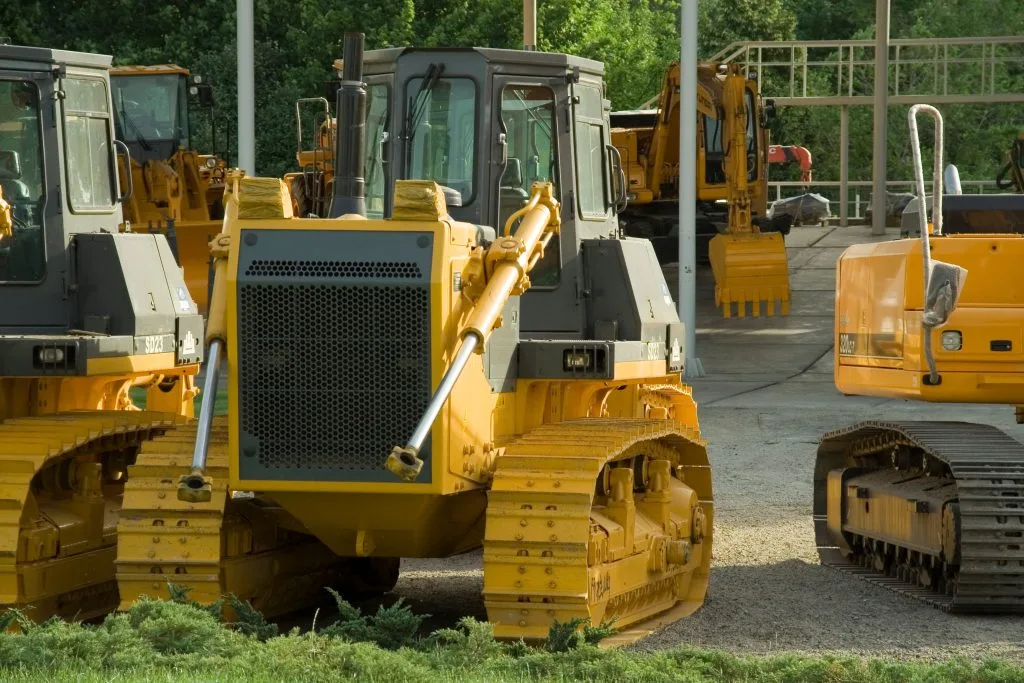
One of our deepest capabilities, built on direct lender access across asset classes
Asset-based and equipment financing is one of Fit Capital’s core strengths. Our team includes ex-bankers with executive-level relationships across Schedule 1 banks, credit unions, and private lenders — giving us access that a conventional broker cannot match.
We structure facilities around the value and cash-generating ability of business assets, from fleet and machinery to accounts receivable and inventory. Whether a client needs to acquire new equipment, refinance existing assets, or unlock capital through a sale-leaseback, we find the structure that fits.
That depth of experience means we know how to present an asset-based package in terms that lenders recognize and approve — without forcing your business into a product that does not fit.
Built for businesses with strong assets and a clear financing need
This service is built for businesses that need financing tied to the real value of their assets — not a generic commercial loan product that ignores what those assets are actually worth.
We work best with businesses that already have the underlying assets and cash flow to support a facility. Our role is matching the right structure to the right lender — not building the case for an operation that is not yet ready.
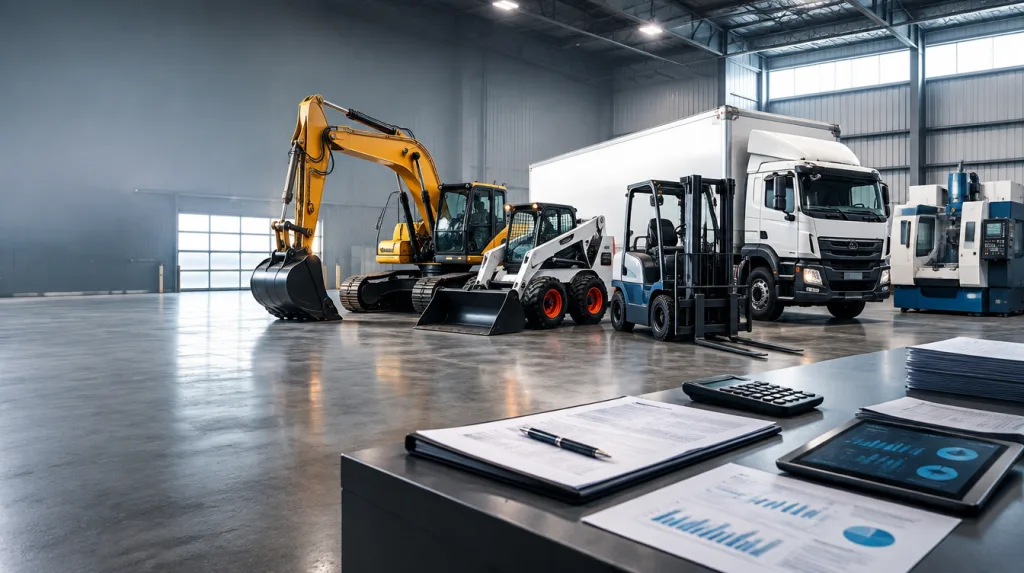
What does asset based equipment financing actually cover?
It covers the purchase or refinancing of productive agricultural equipment, with the asset itself serving as the primary collateral. Tractors, combines, seeders, irrigation systems, and feedlot infrastructure are common examples.
The lender’s comfort comes from the equipment’s value and the operation’s productive history, not just a credit score. That is what separates this structure from a standard commercial term loan.
We draw on relationships with Big 5 banks, Schedule 1 banks, credit unions, and private lenders to match each situation with the facility that fits. A thorough understanding of the operation, the equipment, and the commodity context shapes every package we prepare.
What affects the cost?
Cost factors include the age and condition of the equipment, the strength of the operation’s production history, the lender category, and current market conditions. Clients working through a larger transition, such as expansion or succession, sometimes find that farm financial analysis helps sharpen the numbers before we approach a lender, which can improve terms.

Asset-Based and Equipment Financing FAQs
We have answered the questions we hear most from grain farmers, livestock producers, and mixed operators across Western Canada. Do not see yours? Reach out directly and our team will give you a straight answer.
What is asset-based equipment financing for agriculture?
Asset-based equipment financing uses the value of an asset, such as farm machinery, livestock equipment, or processing equipment, as collateral to secure funding. This structure allows agricultural operations to access capital based on what they already own or are purchasing, rather than relying solely on credit history or cash flow projections.
What types of agricultural equipment can be financed this way?
A wide range of equipment can qualify, including tractors, combines, irrigation systems, grain handling systems, livestock handling infrastructure, and specialized processing or storage equipment. The asset’s appraised value and useful life are key factors lenders evaluate when structuring the financing.
What affects the terms of an asset-based equipment financing arrangement?
Terms are shaped by factors such as the age and condition of the equipment, its market value, the borrower’s financial profile, and the type of agricultural operation. Lenders also consider how essential the asset is to ongoing revenue, since equipment tied directly to production often supports stronger loan structures.
How does the asset-based financing process work?
The process typically begins with an assessment of the equipment being financed and a review of the operation’s financial position. From there, a financing structure is identified that matches the asset’s value to an appropriate loan or lease arrangement, and documentation is prepared for lender submission. We confirm the specific timeline with you based on your situation.
Is asset-based equipment financing a good fit for operations with limited credit history?
It can be a strong option for newer operations or those with less established credit, because the collateral value of the equipment carries significant weight in the lender’s decision. However, lenders still review overall financial health, so having organized financial records strengthens any application regardless of credit history.